In the realm of physical security, the importance of data collection and analysis cannot be overstated. As technology continues to advance, organizations are finding innovative ways to leverage data to fortify the physical aspects of their security systems. In this blog post, we'll delve into how strategic data collection and analysis can play a pivotal role in improving security measures for physical spaces.
The Foundation: Data Collection in Physical Security
Data collection in the context of physical security involves gathering information related to access control, surveillance, and environmental conditions. This may include data from security cameras, entry logs, biometric systems, and even environmental sensors.
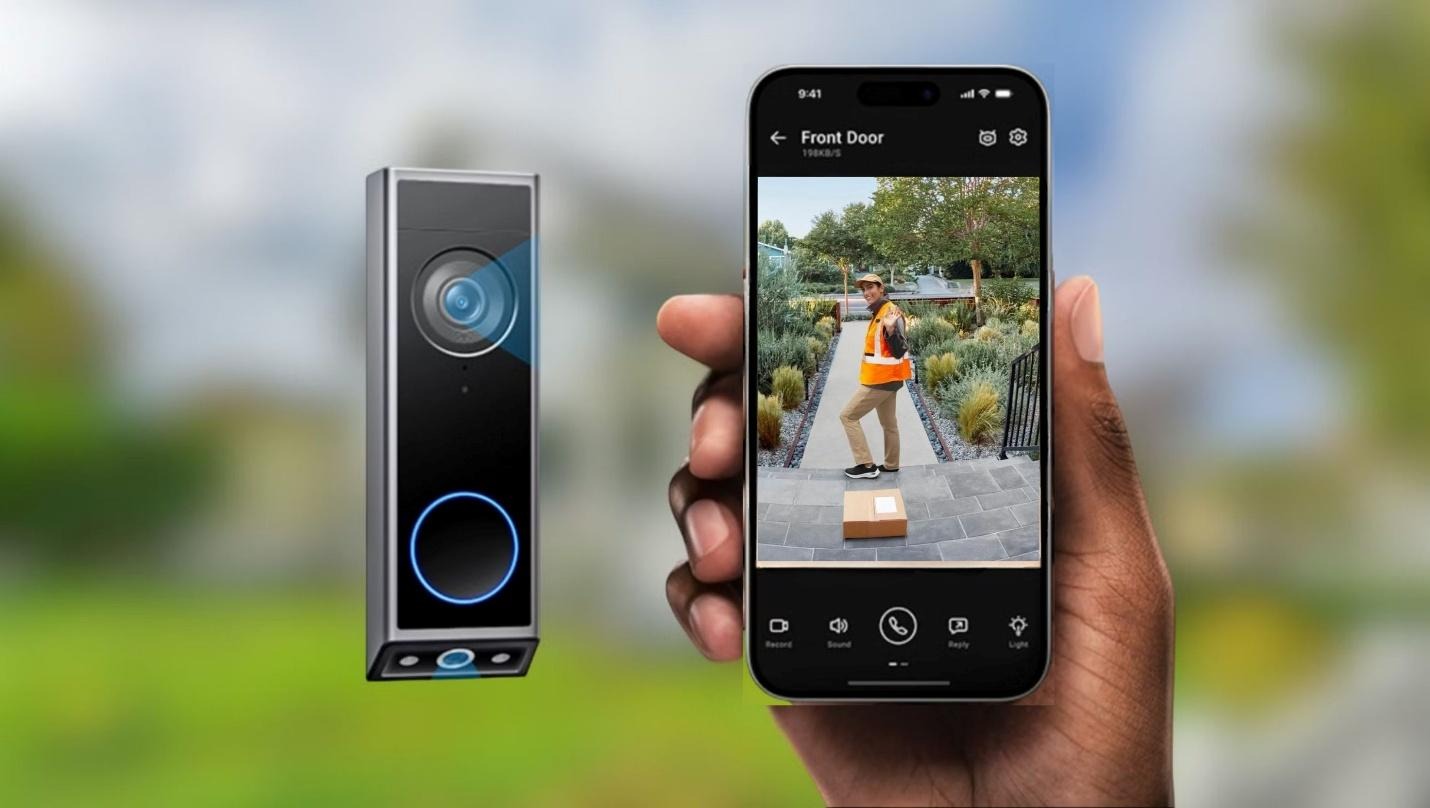
Establishing a solid foundation for data collection involves deploying cutting-edge technologies such as smart access control systems, video surveillance, and IoT devices. These systems generate a wealth of data that, when harnessed effectively, can significantly enhance the overall security posture.
Analyzing Access Patterns for Improved Access Control
Access control systems are a critical component of physical security, and data analysis can transform how organizations manage access to their facilities. By scrutinizing access patterns, organizations can identify irregularities and unauthorized access attempts.
For instance, data analysis can help detect anomalies such as access during non-business hours or repeated failed attempts to enter restricted areas. This proactive approach allows security teams to respond swiftly to potential security threats before they escalate.
Video Analytics for Incident Detection
Surveillance cameras are ubiquitous in modern security setups, but their true potential is unlocked through data analysis. Video analytics can automatically analyze footage to identify unusual behavior, unauthorized access, or potential security breaches.
In crowded environments, facial recognition technology can be employed to match faces against watchlists, enhancing security in high-risk areas. This data-driven approach minimizes the reliance on manual monitoring and provides a more efficient and accurate means of identifying security incidents.
Environmental Monitoring for Safety and Security
Beyond access control and surveillance, data collection extends to monitoring environmental conditions. Sensors that measure temperature, humidity, and air quality can provide crucial data for ensuring the safety and security of physical spaces.
For example, sudden changes in temperature might indicate a fire, and air quality sensors can detect the presence of harmful substances. By analyzing this data in real-time, security teams can respond promptly to emergencies and minimize potential risks.
Privacy and Ethical Considerations
While the benefits of data collection and analysis in physical security are evident, it is paramount to address privacy concerns and adhere to ethical standards. Organizations must implement measures to safeguard the privacy of individuals and ensure that data is used responsibly.
In conclusion, the marriage of data collection and analysis is transforming the landscape of physical security. By harnessing the insights gained from access patterns, video analytics, and environmental monitoring, organizations can create robust security systems that not only protect physical spaces but also provide a proactive defense against potential threats. As technology continues to evolve, the strategic use of data will remain a key driver in enhancing physical security measures.
Let Mike’s Locksmith Make It Easy
We have professional experience in designing and installing low-budget access control systems for homes, offices, and rental properties. If you need a single keypad or a full multi-door system, we will guide you through your options and see that it is properly installed.
Contact us today to arrange a free consultation. Access control is no longer the preserve of the big firms—it's open to anyone who values security and convenience.