And yes, we see all of them.
There is a particular kind of phone call we get from small business owners.
It usually starts with "I don't understand how this happened" — and ends with a lock that was never changed after someone left, or a camera that's been pointed faithfully at a ceiling tile for the last two years.
The business owner isn't careless. They're not negligent. They're just running a business, juggling payroll and inventory and customers and whatever crisis walked in the door that morning, and security slid quietly to the bottom of the list.
We don't judge. We've been serving DMV businesses since 2012, and we've seen the same mistakes repeat themselves with remarkable consistency. The good news is that most of them are genuinely fixable — and none of them require a massive budget or a dedicated IT department.
Here are the five we see most often.
1. One Alarm Code for Everyone
It seems simpler at first. One code, everyone memorizes it, problem solved.
Until someone leaves. Until you realize you have no idea whether the door was opened at 6 a.m. by your opener or by someone who shouldn't have access at all. Until you need to revoke access and the only way to do it is to change the code for everyone and send a memo.
Modern alarm systems make individual user codes straightforward to set up and easy to manage. Each person gets their own code. You can see who armed and disarmed the system, and when. When someone leaves, you remove their code — not everyone's. The access log alone is worth it. You'll know who was in your building before you even arrive in the morning.
2. Forgetting That Off-Boarding Includes the Locks
Businesses have gotten reasonably good at the digital side of employee departures. Disable the email. Revoke the software logins. Change the WiFi password.
It's the physical layer that keeps getting missed.
The key handed over on day one. The alarm code that was never individualized. The access card that was "probably returned" but nobody actually checked. Former employees retain physical access to businesses far more often than anyone realizes — not out of malice usually, but because nobody closed the loop.
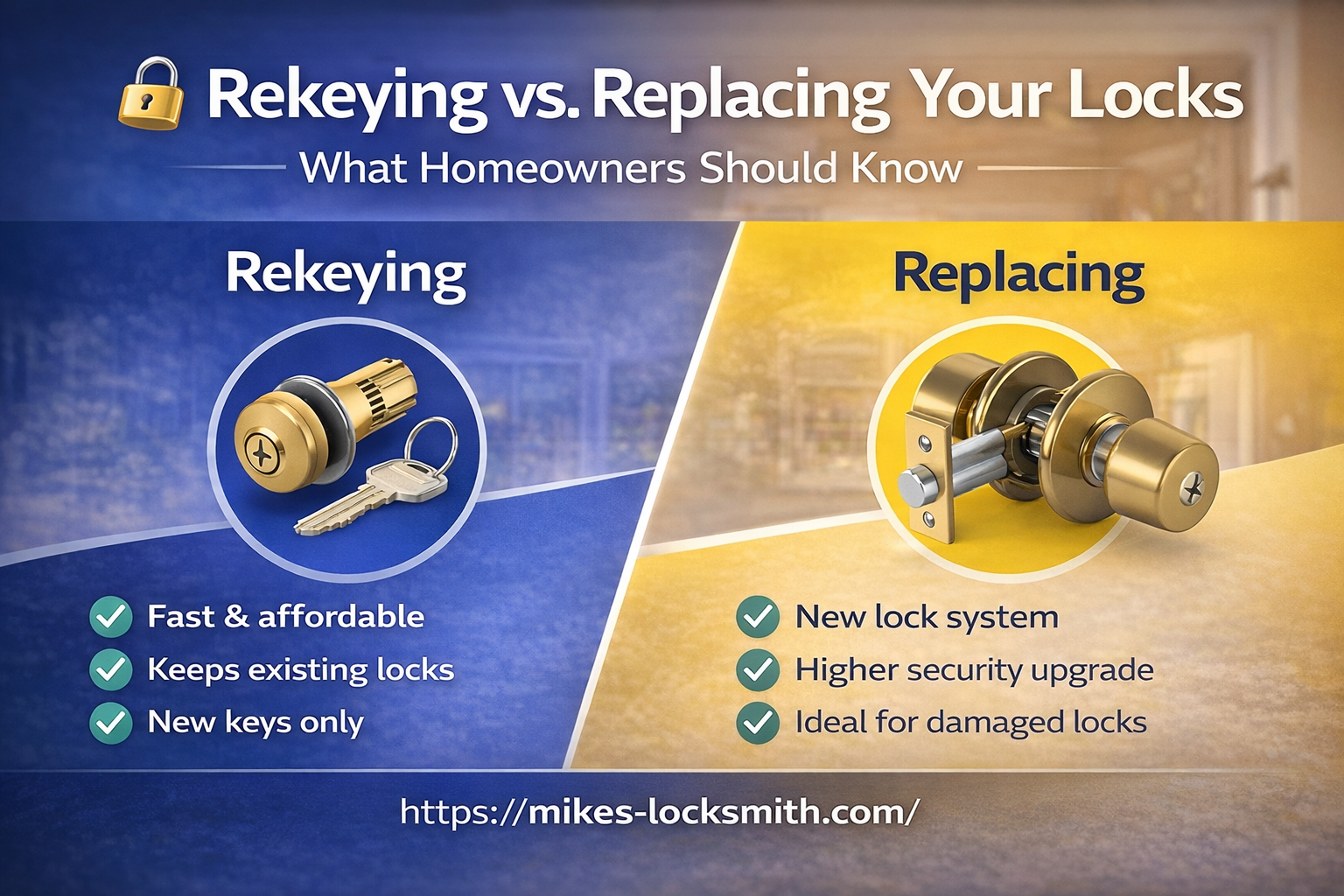
This is the most common reason we get called in to re-key a commercial property. Not a break-in, not a lost key — but a slow dawning realization that people who no longer work there could still walk through the front door.
Re-keying after significant staff turnover isn't paranoia. It's hygiene. Some of the businesses we work with put it on the calendar — re-key annually, or any time someone with key access leaves. It takes less time than you'd think and costs a lot less than what it's protecting.
3. Key Chaos
This one sneaks up slowly.
A copy for the manager. A copy for the assistant manager. A copy for weekend coverage. A copy for the cleaning service. A spare in the office. Another at the owner's house. A copy made a few years ago for someone who doesn't work there anymore, but it seemed fine at the time.
Suddenly there's no authoritative answer to a simple question: how many copies of this key exist, and who has them?
A master key system, properly set up, brings order to all of this. Different staff access different areas based on what they actually need. The owner holds the master. Access is deliberate rather than accumulated. And when someone leaves, you know exactly what needs to change.
We'll also say something that might surprise you coming from a locksmith: the most secure and cost-effective solution for many businesses today isn't a better key system at all. It's eliminating the key entirely.
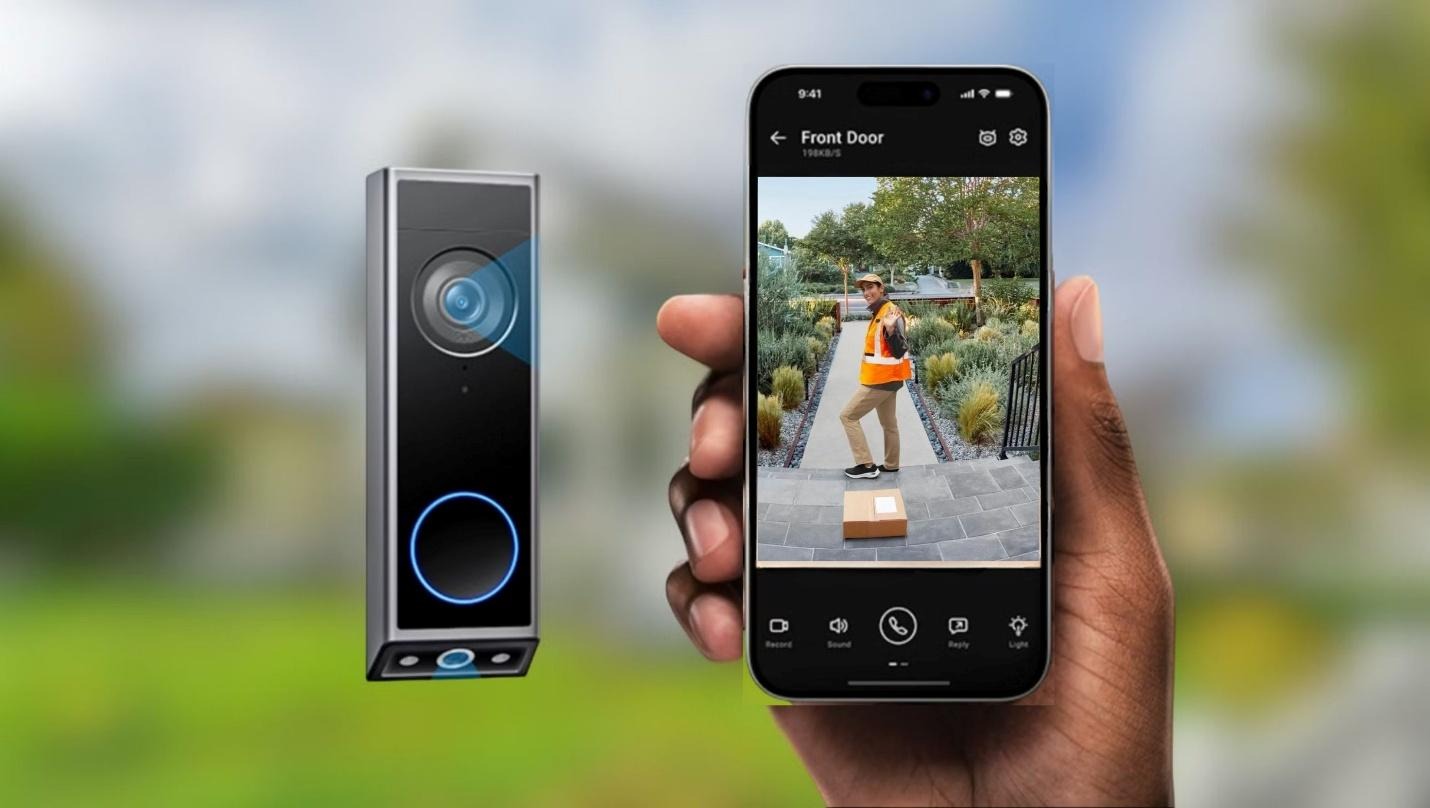
Digital access control locks have come down significantly in price and up significantly in reliability. Each employee's credential is their smartphone — they tap, the door opens. When they leave, you remove their access in seconds from your phone. No rekeying. No chasing down keys. No wondering whether that card was actually returned.
What you get instead is a complete audit trail — every entry, every exit, timestamped and tied to a specific person. For a business owner who isn't always on site, that visibility is worth more than almost any other security investment. It's the answer to mistakes one, two, and three simultaneously.
4. The Forgotten Doors
The side door that "nobody really uses." The back door by the dumpsters. The door from the parking garage into the stairwell. The emergency exit that's technically alarmed, though nobody has tested it recently.
These are the neglected entries in the security story — quietly present while everyone's attention stays fixed on the front door.
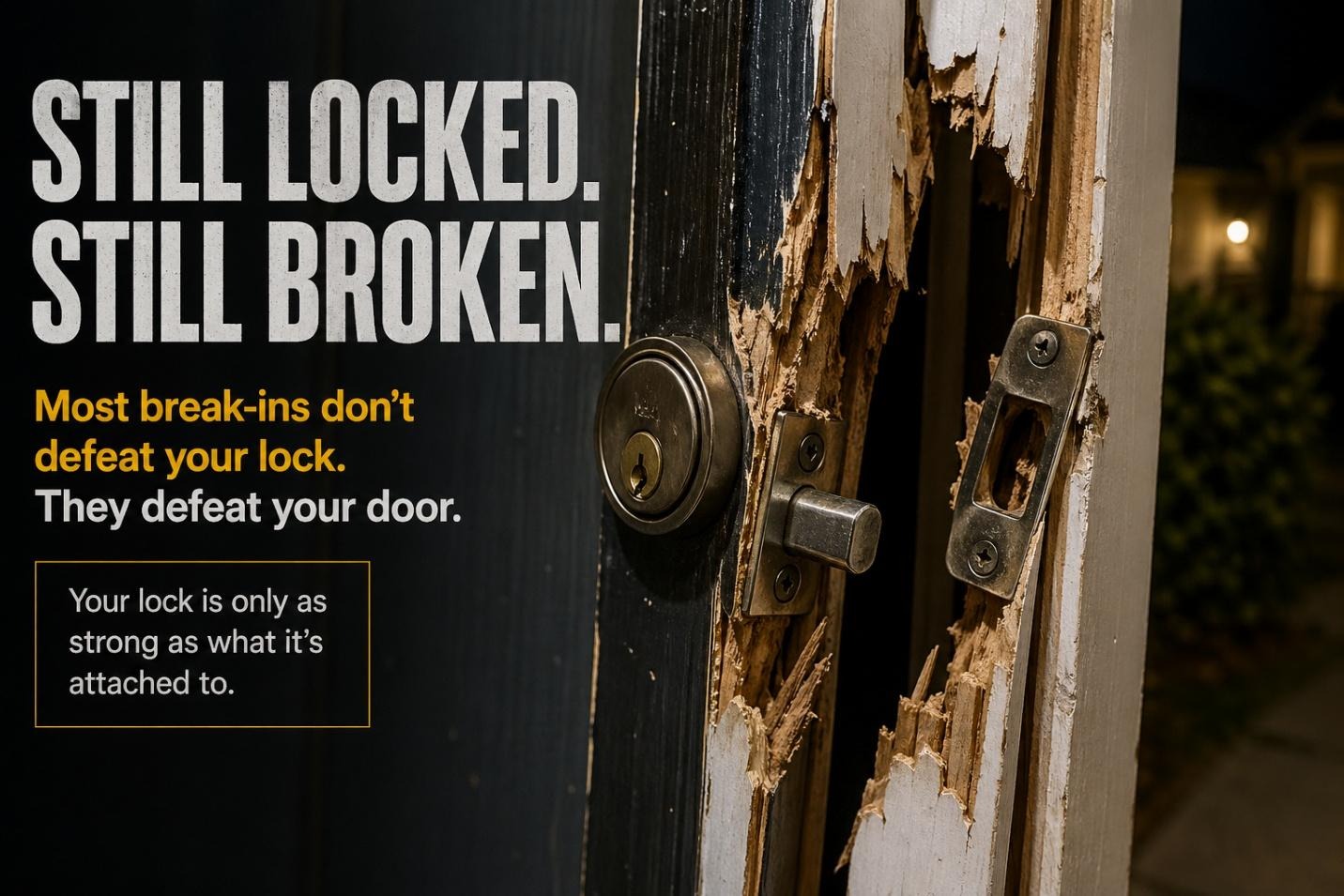
A rear entrance with an old lock, no motion lighting, and spotty alarm coverage is often the easiest way into a building. Not because criminals are sophisticated, but because they are practical. They walk the perimeter. They try handles. They notice what nobody else is paying attention to.
When we do a commercial walk-through, we often spend more time on secondary entries than the front door. The front door usually has a good lock because it faces the street and the owner sees it every day. It's the doors they don't see every day that tell the real story.
5. "We're Too Small to Be a Target"
This is the one that quietly enables every other mistake.
The logic feels sound: we're a small bakery, a two-person salon, a neighborhood accountant. Why would anyone bother with us?
But small businesses aren't targeted because they're valuable. They're targeted because they're busy, distracted, and often running on trust and habit. Someone looking for an opportunity isn't conducting due diligence on revenue projections. They're looking for unlocked doors, outdated hardware, and the quiet signal that nobody has thought too hard about this.
You don't need the security setup of a large corporation. You need the security setup of a business that has thought about it — which already puts you ahead of most of the competition on this particular front.
What We Actually Recommend
If any of these felt uncomfortably familiar, that's normal. Most business owners don't realize where the gaps are until something happens — or almost happens.
At Mike's Locksmith we do commercial walk-throughs for exactly this reason. Not to sell you everything at once, but to tell you honestly what's actually vulnerable and what can wait. Sometimes it's a re-key and a conversation about key control. Sometimes it's a deadbolt on a forgotten side door and a note to your alarm company about individual user codes.
The goal is simple: know that your building is actually secure — not just assume it is. There's a meaningful difference, and closing that gap is usually smaller than people expect.
Mike's Locksmith has been serving homes and businesses across Maryland, Virginia, and DC since 2012 — top-rated, trusted by thousands of local customers, and always happy to give you a straight answer.
📞 202-290-4339 / 571-436-3160 🌐 www.mikes-locksmith.com
Let Mike’s Locksmith Make It Easy
We have professional experience in designing and installing low-budget access control systems for homes, offices, and rental properties. If you need a single keypad or a full multi-door system, we will guide you through your options and see that it is properly installed.
Contact us today to arrange a free consultation. Access control is no longer the preserve of the big firms—it's open to anyone who values security and convenience.