
A client called last week in a panic. She’d just had a security system installed and felt great about finally protecting her home properly.
When Mike arrived to upgrade her locks, he did what he always does—a quick walkthrough of the property.
Within five minutes, he’d identified seven vulnerabilities she didn’t even know existed.
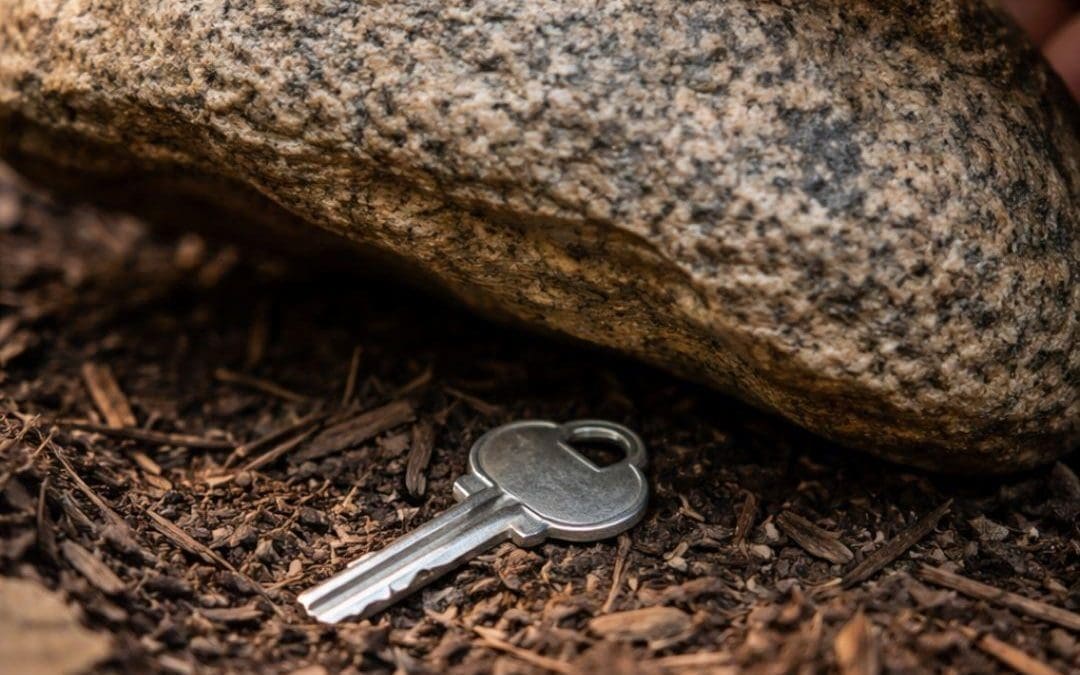
The new alarm system? Great. But her basement window locks were decorative at best. Her side door had a deadbolt with screws so short they’d pull right out under pressure. And her “hidden” spare key? Tucked under a decorative rock that screamed “key hiding spot” to anyone who’s ever looked for one.
Burglars Don’t Think Like Homeowners
Most property owners are being careful. You lock your doors. You close your windows. You’re doing what you think you’re supposed to do.
But burglars don’t think like homeowners. They think like burglars. And they notice things you don’t.
The “Invisible” Entry Points
Basement Windows Nobody Thinks About
When’s the last time you checked your basement window locks? If you’re like most people, the answer is “never” or “when we moved in.”
Basement windows are targets because:
They’re often hidden from street view by bushes or below ground level
Homeowners rarely upgrade them when securing the rest of the property
Many have simple latches that can be manipulated from outside
They’re frequently left unlocked because “nobody goes down there anyway”
The fix: Walk your basement perimeter. Test every window lock. If they’re the simple flip-latch type, consider adding security bars or upgrading to keyed locks. And yes, lock them—even the small ones you think nobody could fit through.
Your Garage: The Weakest Link You Drive Through Daily
Your front door has a deadbolt. Your back door has a security system sensor. But your garage? That’s often protected by a door with a lock that wouldn’t stop a determined teenager.
Garage vulnerabilities include:
Automatic openers that can be defeated with simple tools
The door leading into your house, which many people never lock because “we’re home”
Windows that provide a clear view of whether you’re home and what you keep stored
Burglars love garages because once they’re inside, they’re hidden from view and have all the time in the world to work on that interior door.
The fix: Upgrade the lock on your garage-to-house door to the same quality as your front door. Keep it locked, even when you’re home. Consider installing a digital lock for convenience—you’re more likely to keep it locked when locking is effortless. Add a smart garage door opener that alerts you if it’s been opened. Cover or frost those windows.
Sliding Glass Doors: Beautiful Views, Terrible Security
The standard locks on most sliding doors are shockingly easy to defeat—often just a simple latch that can be lifted with the right tool. Even if your lock is decent, the door itself can often be lifted right off its track.
The fix: Start with the simplest, most effective solution—a wooden dowel or security bar in the track. People dismiss this because it seems too basic, but it works incredibly well. Even if someone defeats your lock, they can’t slide the door open.
Beyond that, upgrade to a multi-point locking system if possible. Install anti-lift devices that prevent the door from being removed from its track. Add a door sensor to your security system—these are prime entry points.
The Side Door You “Never Use”
Maybe it leads from your kitchen to the side yard. Maybe it’s the mudroom entrance. You barely think about it because you rarely use it.
They’re often older and have never been upgraded
Homeowners get lazy about keeping them locked
The locks are often original builder-grade hardware
The fix: Treat every exterior door with the same security standards as your front door. Quality deadbolt. Reinforced strike plate with 3-inch screws. Good lighting. Check it during your nightly lock-up routine.
What Your Exterior Tells Burglars
Those mature shrubs around your foundation? The tall hedges providing privacy? They’re also providing perfect cover for someone trying to break in.
Dense landscaping near windows and doors gives burglars a concealed workspace where neighbors can’t see what they’re doing.
The fix: Trim bushes below window height. Keep foundation plantings low. If you love your privacy hedges, at least keep the areas near entry points clear. Add motion-activated lights to eliminate the cover of darkness.
The “Nobody’s Home” Billboard
Your property is advertising whether you’re home or not. Burglars look for:
Mail piling up in the mailbox
Packages sitting on the porch for days
No car in the driveway at predictable times
Lights that are always off—or worse, always on
That last one trips people up. If your porch light is on 24/7, it tells burglars you’re not home enough to turn it off.
The fix: Use timers or smart lights that vary patterns. Stop mail delivery when you travel. Have someone collect packages or use a lockbox. Make your property look lived-in and unpredictable.
No Visible Security = Easy Target
Burglars look for the path of least resistance. If your neighbor has cameras and an alarm sign, and you have nothing visible, guess which property they’ll try first?
That last one trips people up. If your porch light is on 24/7, it tells burglars you’re not home enough to turn it off.
The fix: Use timers or smart lights that vary patterns. Stop mail delivery when you travel. Have someone collect packages or use a lockbox. Make your property look lived-in and unpredictable.
No Visible Security = Easy Target
Burglars look for the path of least resistance. If your neighbor has cameras and an alarm sign, and you have nothing visible, guess which property they’ll try first?
The fix: Visible cameras. Security system signage. Motion-activated lights. A doorbell camera. These aren’t guarantees, but they’re deterrents. Most burglars will move on to an easier target.
The Locks That Look Good But Aren’t
Decorative Hardware with Weak Internals
Many decorative lock sets prioritize appearance over security. They look substantial and feel solid when you turn the key.
Internally, they’re inadequate.
The mechanisms are basic, the materials are soft metals that can be drilled easily, and the design has vulnerabilities that professional-grade locks specifically address.
The reality: You can have both. High-security locks come in beautiful finishes and styles. But you have to know what you’re looking for.
The Strike Plate Nobody Thinks About
Your lock is only as strong as what it’s attached to.
You can have the best deadbolt money can buy, but if it’s secured to your door frame with half-inch screws that barely grab the wood, a solid kick will rip the whole thing out.
Standard strike plates use short screws because they’re easier to install. They work fine for normal use. They fail spectacularly under force.
The fix: Reinforced strike plates with 3-inch screws that go deep into the wall stud, not just the door frame trim. This is one of the most cost-effective security upgrades you can make.
Window Locks That Are Barely There
Many window locks are just thin metal latches that keep the window closed against wind and weather. They were never designed to stop someone who wants to get in.
The fix: Upgrade to keyed window locks for accessible windows. Add window pins or stops that prevent windows from opening more than a few inches. Consider window security film for ground-level windows.
Behavior Patterns Burglars Watch For
Social Media Oversharing
“Two weeks in Hawaii! Can’t wait!”
Great vacation. Terrible security practice.
Burglars use social media to identify when properties will be empty. They know you’re gone, how long you’ll be gone, and that your property is unattended.
The fix: Share your vacation photos after you get home. Be vague about timing on public posts. Check your privacy settings. Never geotag your location.
The “Hidden” Key Locations That Aren’t Hidden
Under the doormat. Under a rock near the door. In the fake sprinkler head. Above the door frame. In the mailbox.
If you’ve thought of it as a hiding spot, so has every burglar who’s ever looked for a spare key.
Mike finds keys in all of these spots during security assessments. Homeowners are always shocked when he locates them within seconds.
The fix: Give a spare key to a trusted neighbor. Use a lockbox with a real combination. Install a smart lock with backup codes. Stop hiding physical keys in “clever” outdoor spots.
The Garage Door Left Open “Just for a Few Minutes”
Running back inside for something you forgot. Taking a quick shower. Pulling weeds in the front yard.
“I’m right here,” you think. “I’ll see if anyone comes.”
Burglars work fast. Incredibly fast. They can be in your garage, grab what they want, and be gone in under two minutes.
The fix: Close the garage door. Every time. Even if you’re just running back inside for thirty seconds. Set your garage door opener to auto-close after a certain period. Make it a non-negotiable habit.
The False Sense of Security
Security Theater That Doesn’t Actually Work
A “Beware of Dog” sign when you don’t have a dog. A fake camera that’s obviously fake. An alarm company sign for a system you don’t actually have.
Sometimes these work as basic deterrents. Sometimes they backfire.
If a burglar is watching your property, they’ll figure out you’re bluffing. And they’ll know you probably don’t have real security either.
The reality: Real deterrents work better than fake ones. If you can’t afford a full security system yet, start with real basics—good locks, proper lighting, reinforced strike plates. Build from there.
The Illusion of “This Neighborhood Is Safe”
“We’ve never had problems here.”
Mike hears this constantly. And it’s probably true—until it isn’t.
Burglars are mobile. They target neighborhoods specifically because residents feel safe and get complacious. They know which areas have valuable property and low security awareness.
Your neighborhood being safe doesn’t mean your property is secure. Those are two different things.
The fix: Security isn’t about fear—it’s about being realistic. Good neighborhoods still need good locks. Safe areas still need security awareness.
Final Thought
Most of these vulnerabilities are fixable. Some are quick and inexpensive. Others require professional assessment and upgrades. But all of them are addressable once you know they exist.
The goal isn’t to turn your property into Fort Knox. It’s to eliminate the easy opportunities. To make your property less appealing than others nearby. To add enough layers of real security that burglars decide it’s not worth the risk.
They’re looking for easy targets. Don’t be one.
At Mike’s Locksmith, we offer security assessments where we walk your property with a professional eye—identifying weak points you might not notice and recommending practical, prioritized solutions.
Want to identify your property’s hidden vulnerabilities? Contact Mike’s Locksmith for a free security assessment.
Let Mike’s Locksmith Make It Easy
We have professional experience in designing and installing low-budget access control systems for homes, offices, and rental properties. If you need a single keypad or a full multi-door system, we will guide you through your options and see that it is properly installed.
Contact us today to arrange a free consultation. Access control is no longer the preserve of the big firms—it's open to anyone who values security and convenience.
Request Locksmith Services: